10 February 2026
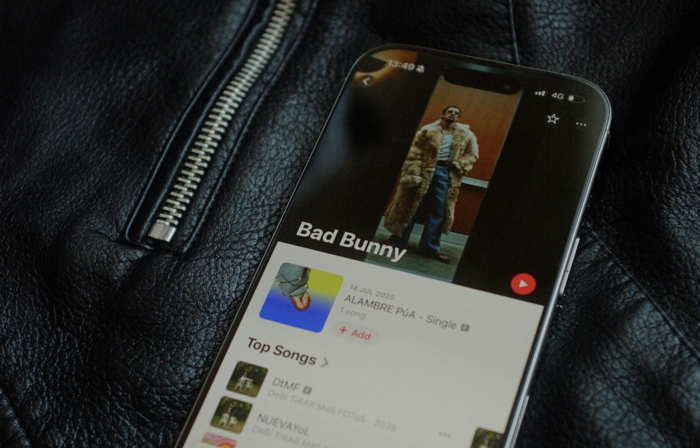
At the Super Bowl halftime show, global superstar Bad Bunny took to the stage in a custom Zara outfit, a move that has quickly sparked conversation across the fashion world. Zara reportedly paid Bad Bunny to wear the look, positioning the collaboration as accessible and proudly Spanish.
By Olivia Lee
While accessibility in men's fashion is important, this moment raises a much bigger question of, what is sustainable fashion, and should one of the biggest stages in the world be used to promote fast fashion?
Bad Bunny made Super Bowl history wearing head-to-toe Zara. pic.twitter.com/v8ykn8owVS
— VastLand. (@VastLandd) February 9, 2026
Zara is one of the most recognisable high-street brands globally, but it is also a core player in the fast fashion system. When asking what is sustainable clothing, fast fashion brands like Zara are rarely part of the answer.
Although the outfit was described as “custom”, this language blurs the line between luxury and mass production. It allows Zara to borrow the aesthetics of high fashion while continuing business practices that contradict the core principles of what sustainable fashion is. In many ways, this reflects a wider issue in the fashion world, where sustainability messaging is often used as a branding tool rather than a genuine commitment.
Sorry, but learning Bad Bunny decided to be a walking advertisement for Zara and its forced and child labour practices really changes the whole tone of that Super Bowl show. Dude can afford clothing from companies that don't exploit the very people he claims to be standing up for
— Backup Rogue 😷 🏳️🌈 🇵🇸 (@queersettler) February 9, 2026
By choosing Zara, Bad Bunny supported a global fast fashion brand rather than spotlighting sustainable designers or independent labels that actively invest in people, craft and community. Designers like Willy Chavarria, who has repeatedly spoken up for marginalised communities and redefined men's fashion, could have benefitted immensely from this visibility.
What are your thoughts on Billie Eilish's outfit for the #GRAMMYs? pic.twitter.com/f9qUTghdRT
— Billie Eilish Spotify (@BillieSpotify_) February 2, 2026
A strong contrast can be seen in recent red carpet moments. At the 2026 Grammys, Billie Eilish wore a look by Hodakova, a sustainable brand known for transforming discarded materials into bold, one-of-a-kind garments. Hodakova's work clearly answers the question, what is sustainable clothing. It's innovative, thoughtful and rooted in reuse rather than overproduction like Zara. Hodakova's work proves that sustainability can sit at the forefront of fashion trends 2026 while pushing creative boundaries.
By choosing brands that prioritise reuse and craftsmanship, celebrities can redefine both red carpet dressing and everyday expectations across the fashion world.
Bad Bunny's Zara look arguably signals a small step backwards, especially at a time when conversations about sustainability are shaping fashion trends 2026. However, it also highlights why discussions around what sustainable clothing is are becoming more important for consumers, designers, and celebrities alike.
So, while this moment may feel like a setback, the growing support for sustainable designers shows that a more responsible future for men's fashion and the wider industry is still very much possible.
While you're here, get the full story on Zara and sustainability by checking out our blog post on how sustainable Zara really is.